
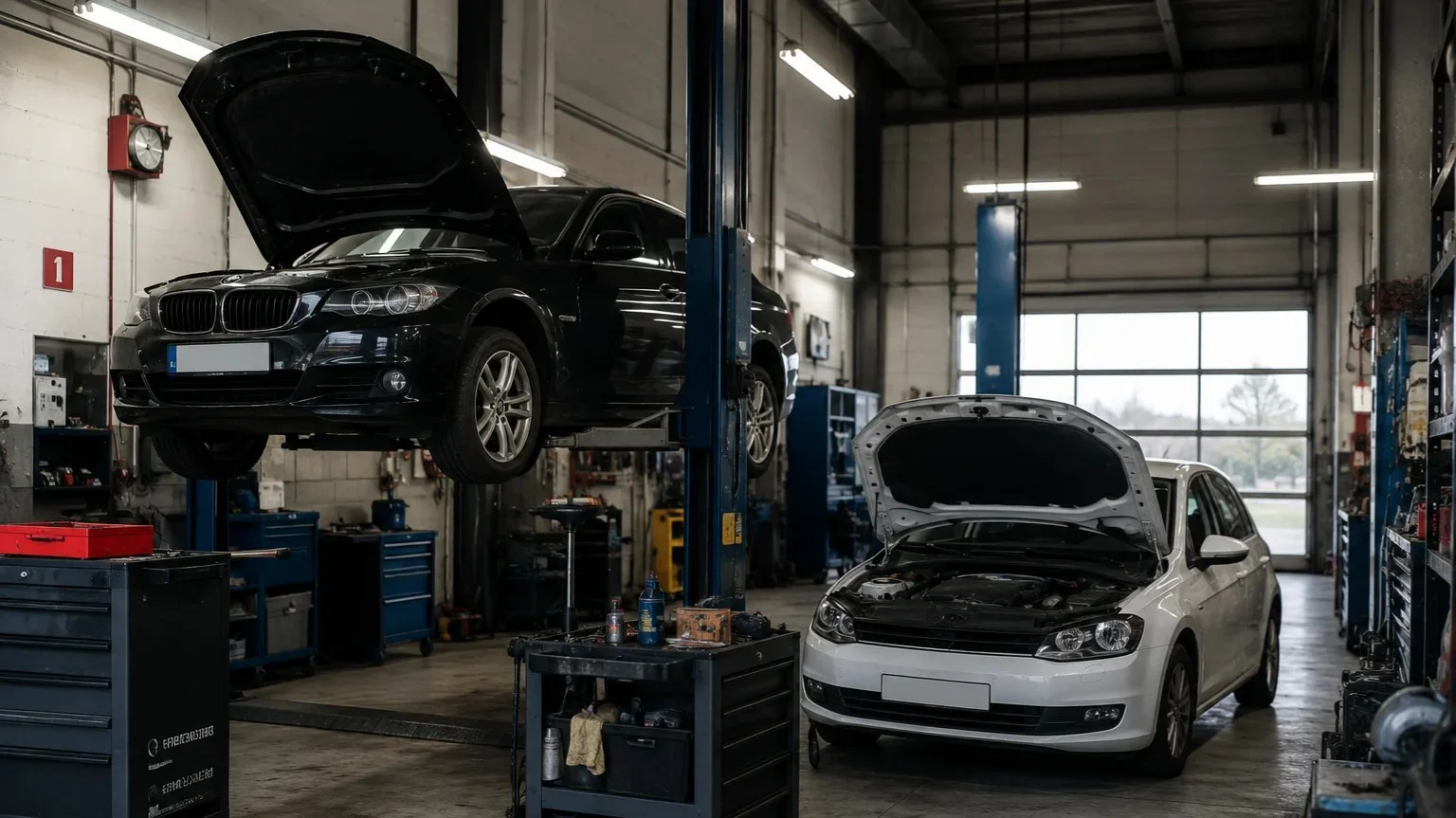

The most profitable customers are not the ones with the biggest failures
Most service owners believe that the most money is made on major breakdowns — engine replacement, transmission overhaul, serious breakdowns. The logic seems irrefutable: bigger job, bigger invoice. But when looking at earnings per working hour and per occupied position, the picture is different.
Myth #1: Big failures bring the biggest profits
One engine swap really brings in a lot of turnover on one invoice. But at the same time, she demands many working hours, blocks the workplace and the crane for several days, brings complaints more often and requires long communication with the client who is already nervous because his car is standing still.
Let's compare two working days in the same service with two mechanics:
Day A — one big job. Overhaul with both mechanics working on it, crane busy all day, parts waiting, client calling three times. At the end of the day: one invoice, one satisfied (or dissatisfied) client, zero free capacity for anything else.
Day B — planned minor interventions. Oil service, plate replacement, diagnostics, battery replacement, seasonal check before the trip. Six to eight vehicles a day, each with predictable duration, parts standard and in stock. At the end of the day: more invoices, more satisfied returning customers, and — crucially — capacity filled, not overloaded.
As a rule, Dan B performs better on the three things that really determine profits: hourly earnings, claim risk, and predictability. A big deal looks impressive on paper, but it also carries the greatest risk when something goes wrong.
Myth #2: Full service means successful service
A full parking lot and a profitable service are not the same thing. Many service centers are overcrowded and underutilized — man hours are wasted on waiting for parts, on vehicles sitting between stages of repair, on unscheduled walk-ins. The utilization of mechanic hours, not the number of cars on the lot, is the true indicator of service health.
Why services like preventive and planned interventions
Predictable duration means that capacity is easily planned. Parts procurement is simpler because the parts are standard. The rate of complaints is lower because the work is routine and controlled. And a mechanic is more productive when he's working as planned, not when he's putting out fires.
Where does AutoKonekt stand?
AutoKonekt does not change the way you run the service. We're not asking you to change your tools, software, or work habits — we're just adding one layer: a calendar through which your pre-scheduled appointments arrive.
You choose which services you want to list. If you want to fill the empty appointments with preventive and planned interventions — oil services, seasonal preparations, diagnostics — you list them. AutoKonekt then brings vehicles to you earlier, distributes the load more evenly throughout the week and reduces the number of empty appointments, without changing anything in the existing workflow.
In other words: use us as a conduit for the kind of work you really want more of.